
About The Fifth Estate
The Fifth Estate (2013) offers a compelling cinematic exploration of one of the most controversial organizations of the digital age: WikiLeaks. Directed by Bill Condon, this biographical thriller delves into the complex partnership between Julian Assange (Benedict Cumberbatch) and his early collaborator Daniel Domscheit-Berg (Daniel Brühl), tracing their mission to expose institutional secrets and the profound consequences that followed.
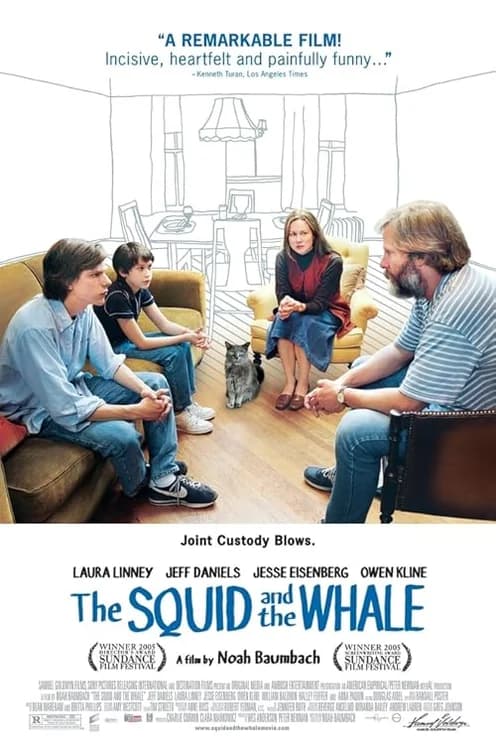
Benedict Cumberbatch delivers a mesmerizing performance, capturing Assange's charismatic yet enigmatic persona with remarkable precision. His portrayal goes beyond imitation, revealing the idealism and paranoia that drove the WikiLeaks founder. Daniel Brühl provides an effective counterpoint as the increasingly conflicted Domscheit-Berg, whose moral doubts create the film's central tension. The supporting cast, including Laura Linney and Stanley Tucci as U.S. government officials, adds depth to the global stakes of WikiLeaks' disclosures.
Director Bill Condon employs a dynamic visual style that mirrors the digital revolution at the story's core. The film's editing and production design creatively represent data flows and online networks, making abstract concepts visually engaging. While some critics noted the narrative occasionally simplifies complex real-world events, the film succeeds as a thought-provoking thriller about transparency, accountability, and the power of information in the internet era.
Viewers should watch The Fifth Estate for its timely examination of digital activism and government secrecy. Beyond the specific WikiLeaks story, the film raises enduring questions about where to draw the line between necessary transparency and dangerous exposure. The strong performances, particularly Cumberbatch's award-worthy turn, combined with the film's tense pacing and ethical dilemmas, make it a worthwhile watch for anyone interested in modern history, political thrillers, or character-driven dramas based on true events.
Benedict Cumberbatch delivers a mesmerizing performance, capturing Assange's charismatic yet enigmatic persona with remarkable precision. His portrayal goes beyond imitation, revealing the idealism and paranoia that drove the WikiLeaks founder. Daniel Brühl provides an effective counterpoint as the increasingly conflicted Domscheit-Berg, whose moral doubts create the film's central tension. The supporting cast, including Laura Linney and Stanley Tucci as U.S. government officials, adds depth to the global stakes of WikiLeaks' disclosures.
Director Bill Condon employs a dynamic visual style that mirrors the digital revolution at the story's core. The film's editing and production design creatively represent data flows and online networks, making abstract concepts visually engaging. While some critics noted the narrative occasionally simplifies complex real-world events, the film succeeds as a thought-provoking thriller about transparency, accountability, and the power of information in the internet era.
Viewers should watch The Fifth Estate for its timely examination of digital activism and government secrecy. Beyond the specific WikiLeaks story, the film raises enduring questions about where to draw the line between necessary transparency and dangerous exposure. The strong performances, particularly Cumberbatch's award-worthy turn, combined with the film's tense pacing and ethical dilemmas, make it a worthwhile watch for anyone interested in modern history, political thrillers, or character-driven dramas based on true events.